Custom printed plastic pouches for your brand.
Make your product stand out on crowded shelves. We combine 8-colour rotogravure printing with multi-layer laminated plastic films to deliver pouches that protect your product, hold their print over the shelf cycle, and elevate your brand.
- Up to 8-colour photo-quality printing
- Stand-up, zipper, 3-side, center seal formats
- PET / MET PET / LDPE / BOPP laminates
- Window / glossy / matt finishes
- MOQ 300 kg per design
- Pan-India delivery
What goes into a printed plastic pouch
A modern printed plastic pouch is not a single sheet of plastic — it is a multi-layer laminate, each layer engineered for a specific job. The outer layer is usually PET (polyester) because it accepts rotogravure print cleanly, resists abrasion from shop shelves, and adds tear strength. The middle layer is the barrier — MET PET for premium aromatic SKUs (tea, masala, namkeen), MET BOPP for lighter glossy snacks, or milky LDPE for value-tier staples. The inner layer is always LDPE — the food-contact heat-seal surface — selected in either Natural or N/F grade depending on whether the pouch will be hand-filled, semi-auto sealed, or run on a high-speed FFS line.
The rotogravure ink sits inside the laminate, sandwiched between the outer PET and the middle barrier layer. That is why the print on a quality plastic pouch survives condensation in a freezer cabinet, oil on a namkeen shelf, and the abrasion of a 6-month shop-shelf cycle — the ink is never exposed to any of it.
Printing on plastic pouches: why rotogravure
We print on rotogravure cylinders — engraved copper-plated cylinders that ink the plastic film layer-by-layer at high speed. Up to 8 colours in a single pass means a single run can carry: a spot brand colour, full CMYK process colour, a white base layer on metallised substrates, and a registered matt or gloss overprint varnish. The ink saturation and registration accuracy rotogravure delivers is the reason all branded snack, tea, masala, and dairy SKUs in India are rotogravure-printed; digital and flexo are reserved for short-run or test batches.
Cylinder engraving is the dominant first-run cost. Once your cylinders exist, repeat orders run at materially lower per-pouch cost — which is why we quote first-run and repeat-run separately.
Categories where printed plastic pouches dominate
Printed plastic pouches are the default packaging format across nearly every ambient-shelf and frozen Indian retail category. The most common applications we manufacture for:
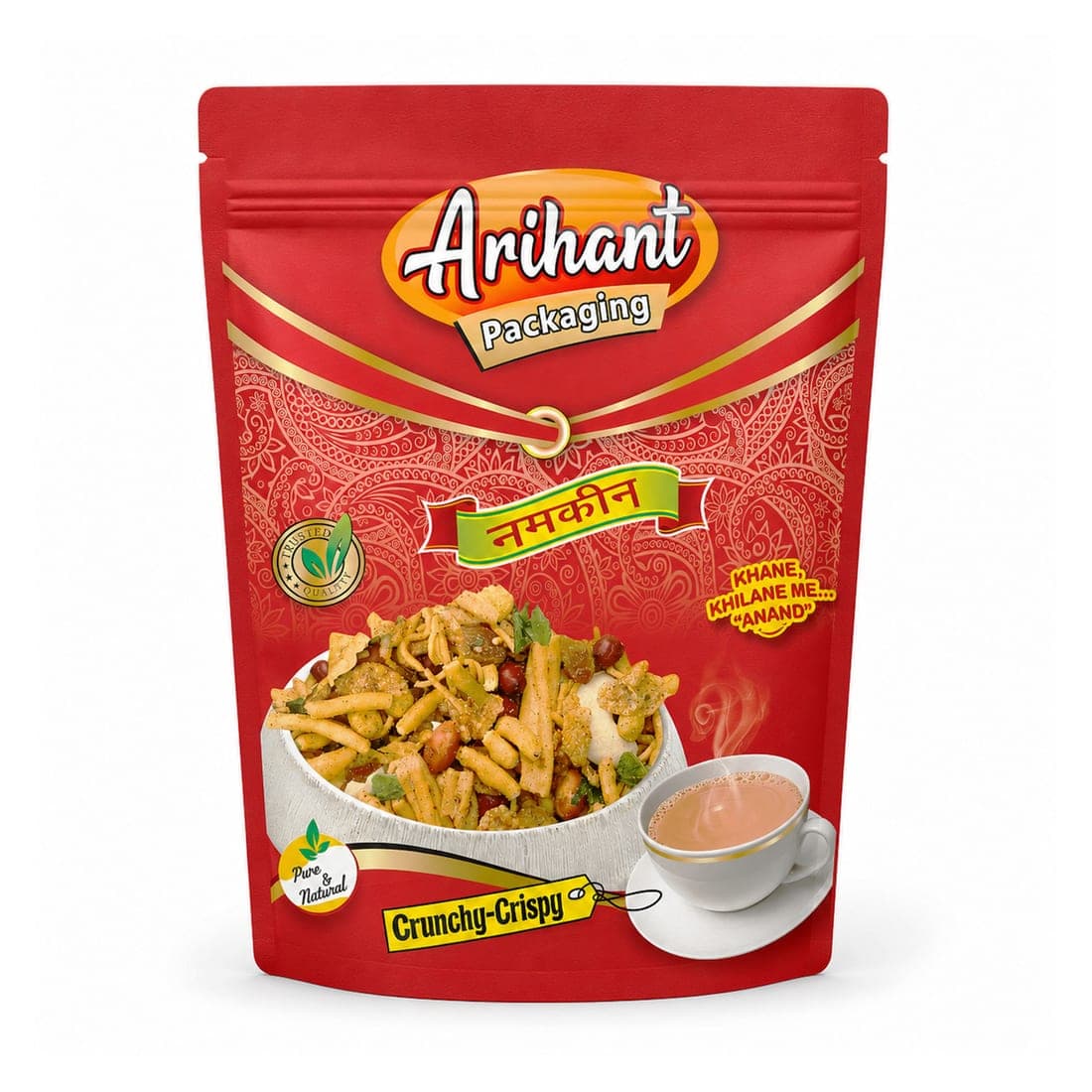
- Namkeen and savoury snacks — fried mixtures, bhujia, chana jor garam. 3-layer MET PET for aroma and oil containment.
- Tea — black, green, masala chai, single-estate. 3-layer with the strongest aroma barrier in the catalogue.
- Masala and spice blends — ground masala, garam masala, chaat, sambar, regional blends.
- Ice cream and kulfi — freezer-grade 2-layer in either Milky LDPE or Pearl BOPP.
- Atta and dry staples — 2-layer Milky LDPE with strong UV block and burst strength.
Each linked page goes deeper on format choice, pack-size logic, and the laminate spec that fits the category. The roll versus pre-made-pouch decision is the same across all categories — you choose the pouch format based on your filling line, and we spec the laminate based on your category.
Plastic pouch formats we customise
Pick the format that best fits your product, then customise material, layers, finish, and printing.
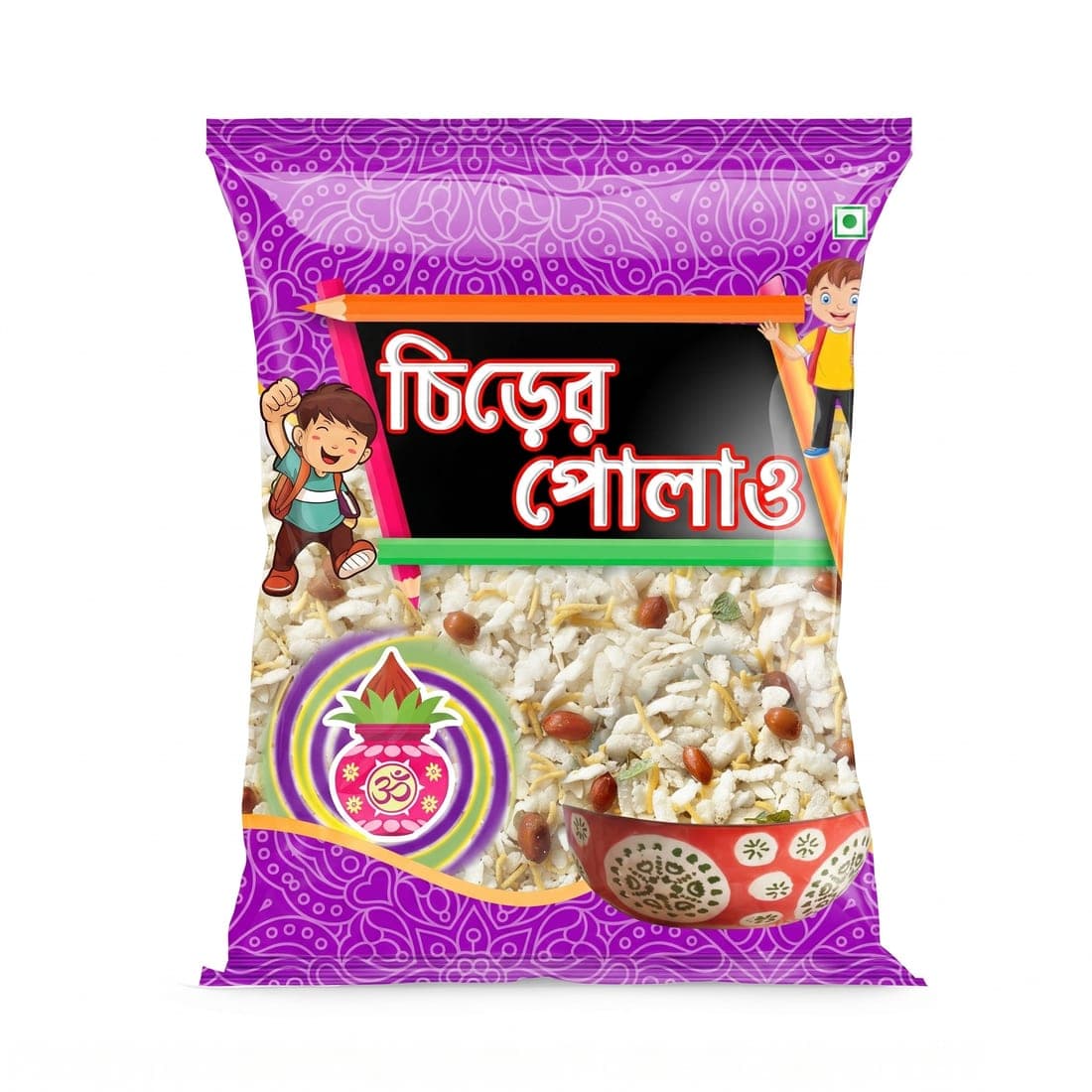
Transparent Window Roll
See-through pouches that show your product and brand together.
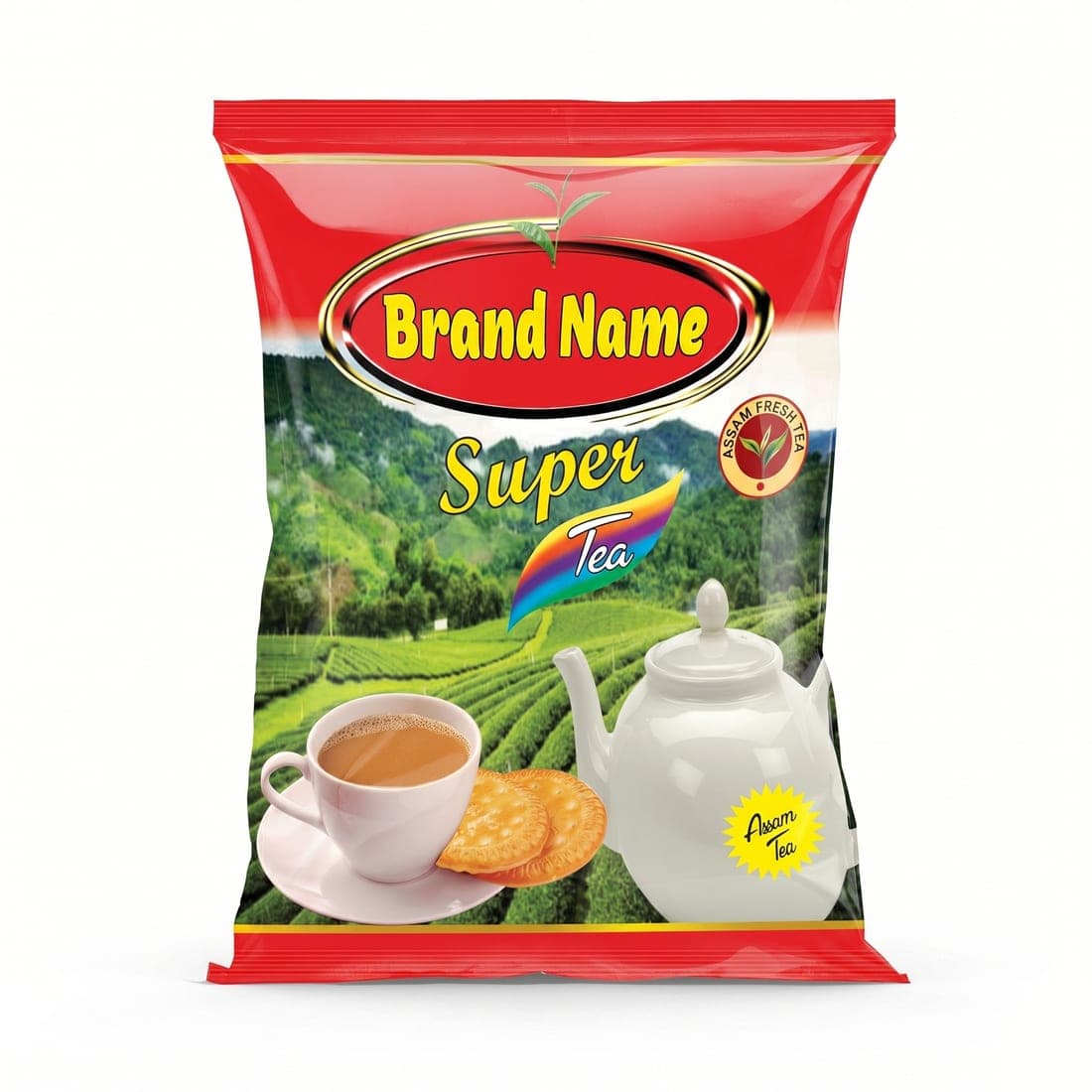
Aluminium Laminated Roll
Premium glossy 3-layer laminated rolls with MET PET barrier for tea, namkeen, masala, and aroma-sensitive SKUs.
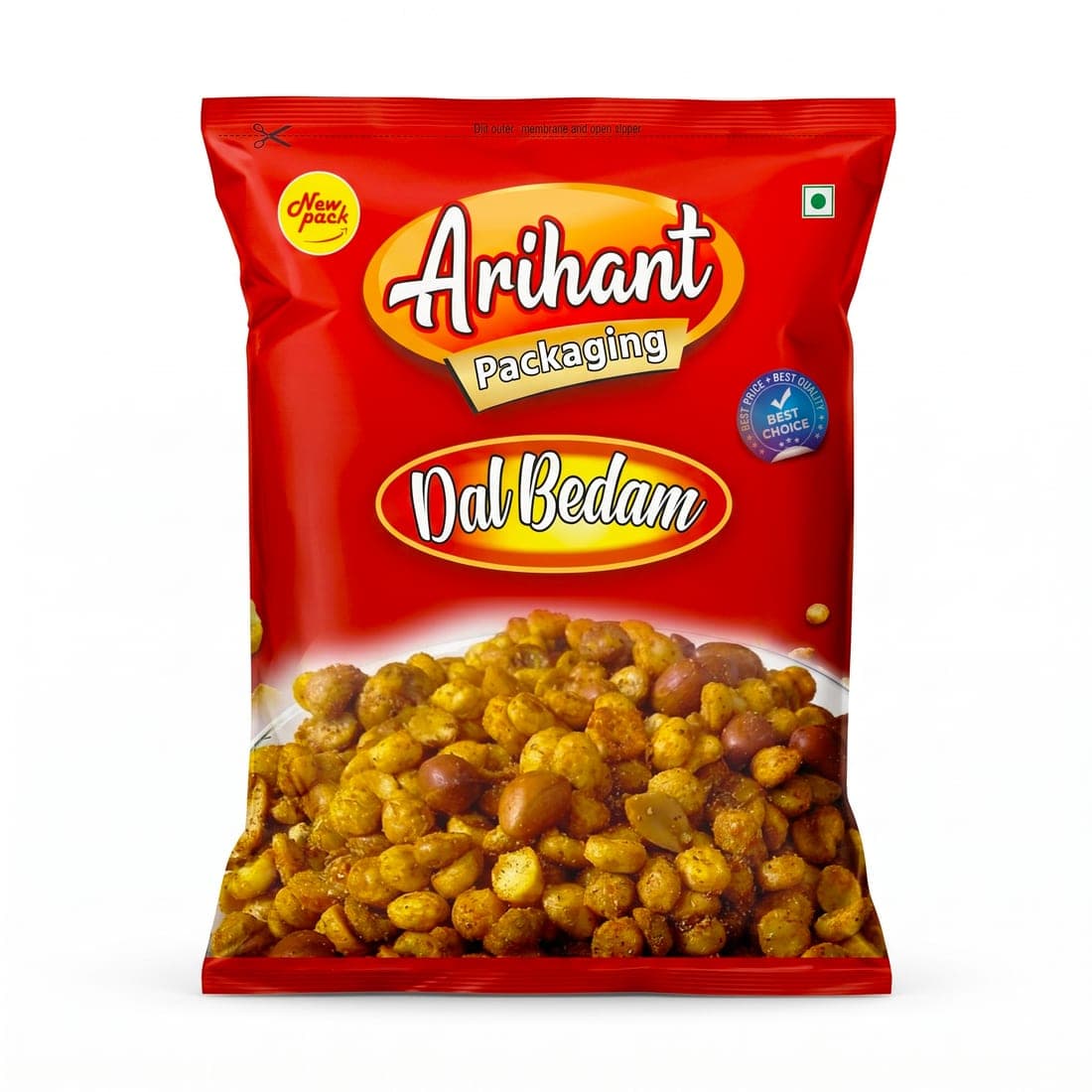
MET BOPP Laminated Roll
2-layer high-yield glossy laminate for low-cost premium-look packaging.
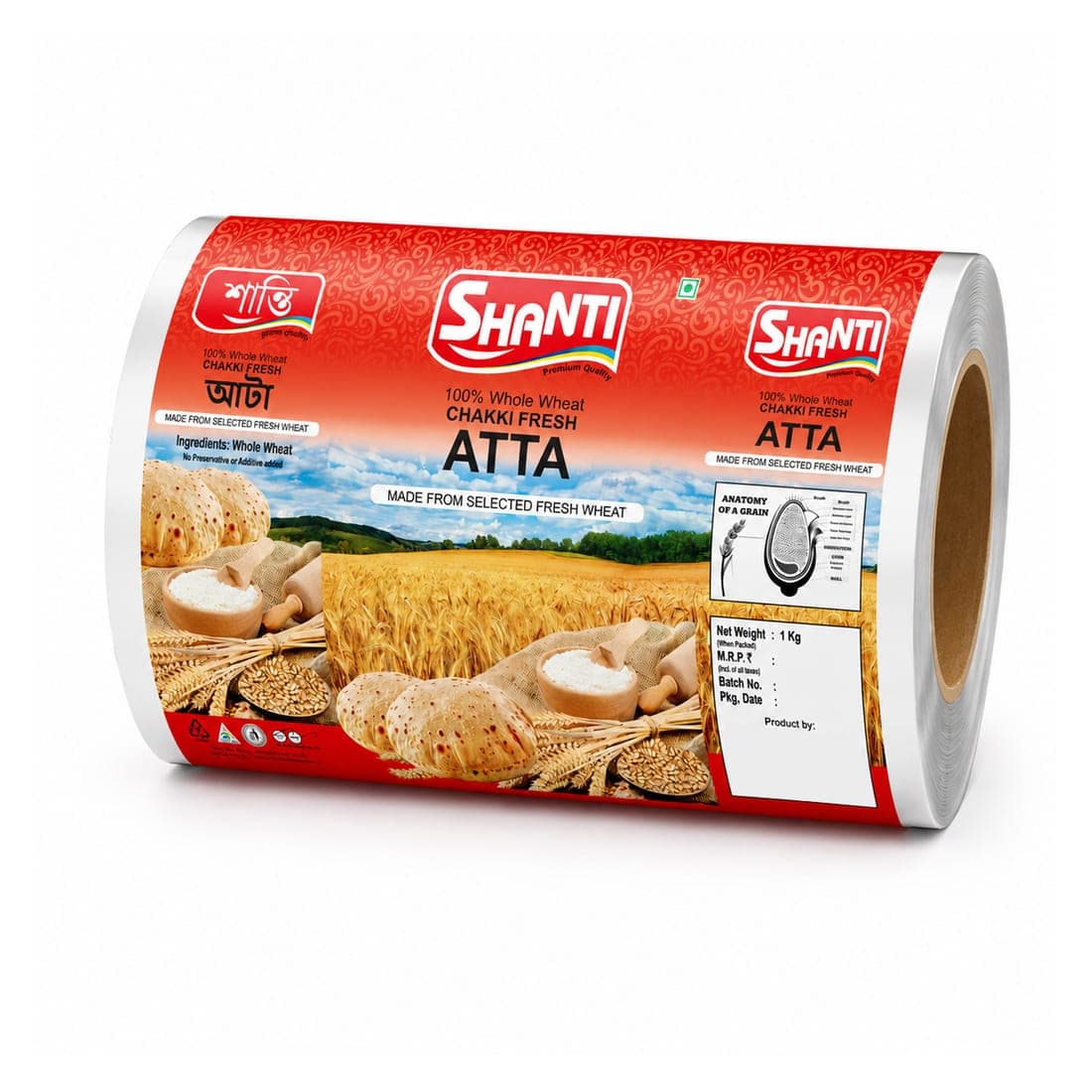
Milky Roll
Two-layer milky-finish laminate with strong yield and good cost-quality balance.
Stand Up Pouch
Premium shelf-ready pouches that stand on their own — with or without zipper.
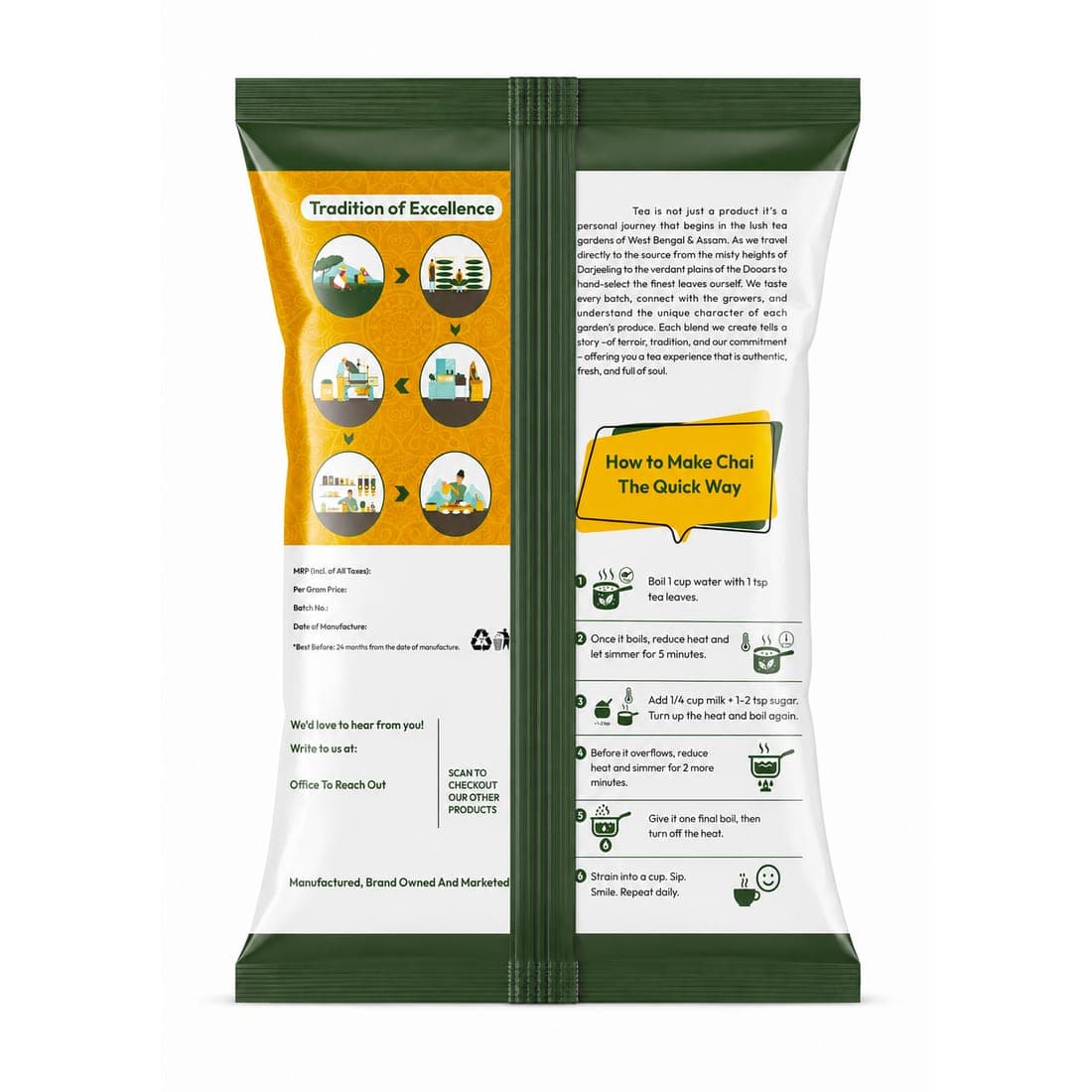
Center Seal Pouch / Roll
Center-seal (back-seal) format — pre-made pouches for hand-fill, or laminated rolls for FFS lines.
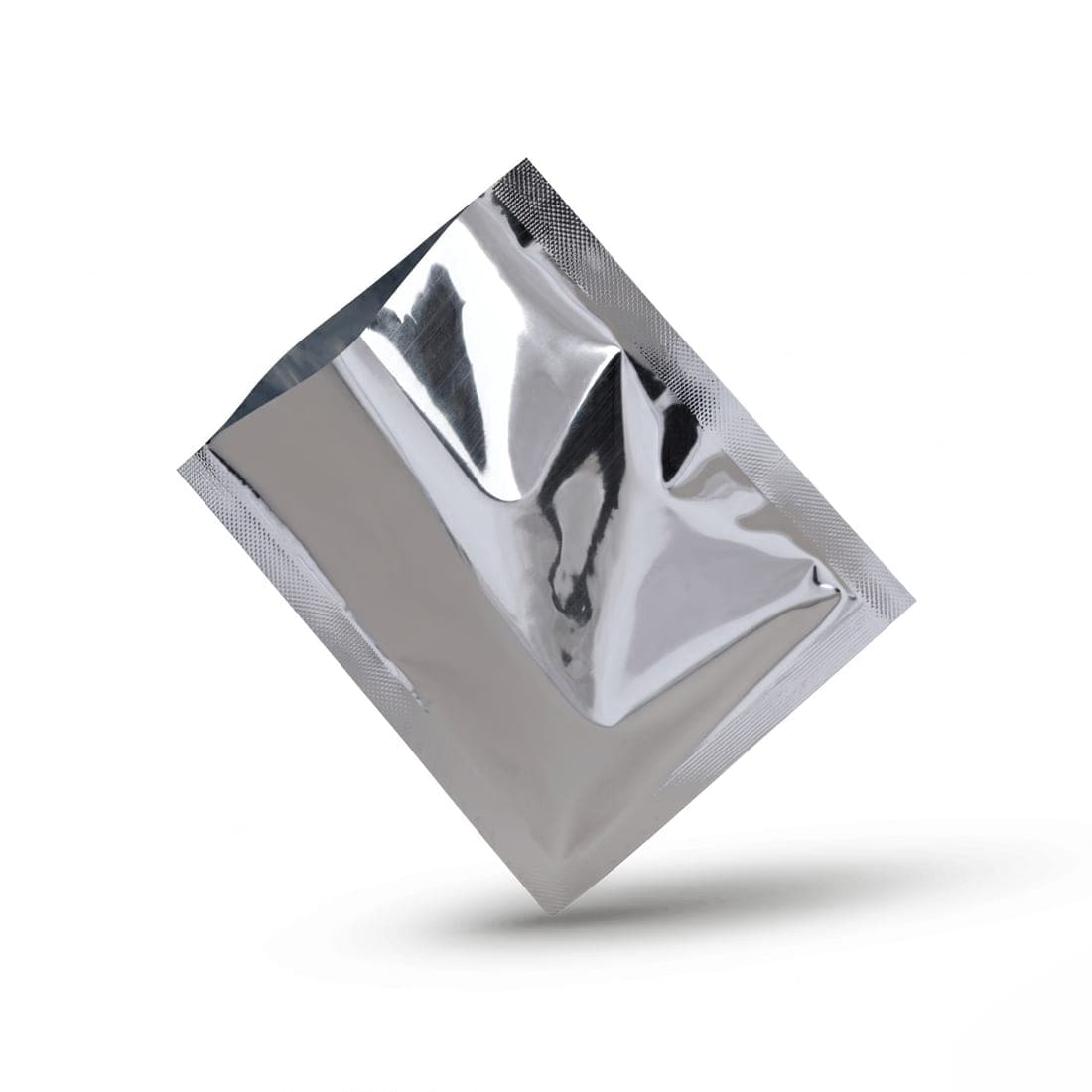
3 Sides Seal Pouch
Pre-sealed on three sides, open on one — fastest hand-fill format.
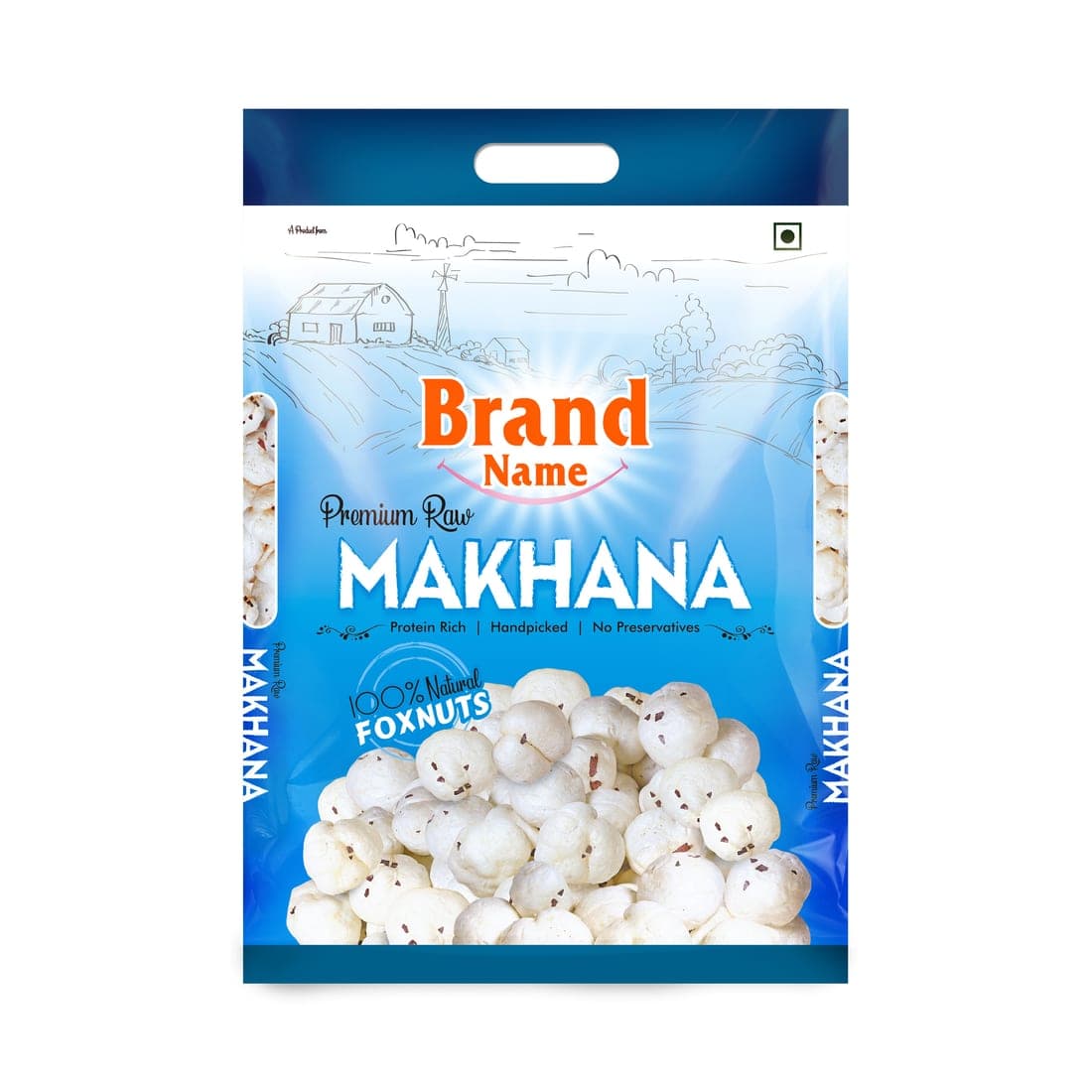
Pouch with Handle
Three-side sealed pouches with a punched D-cut handle for easy carrying.
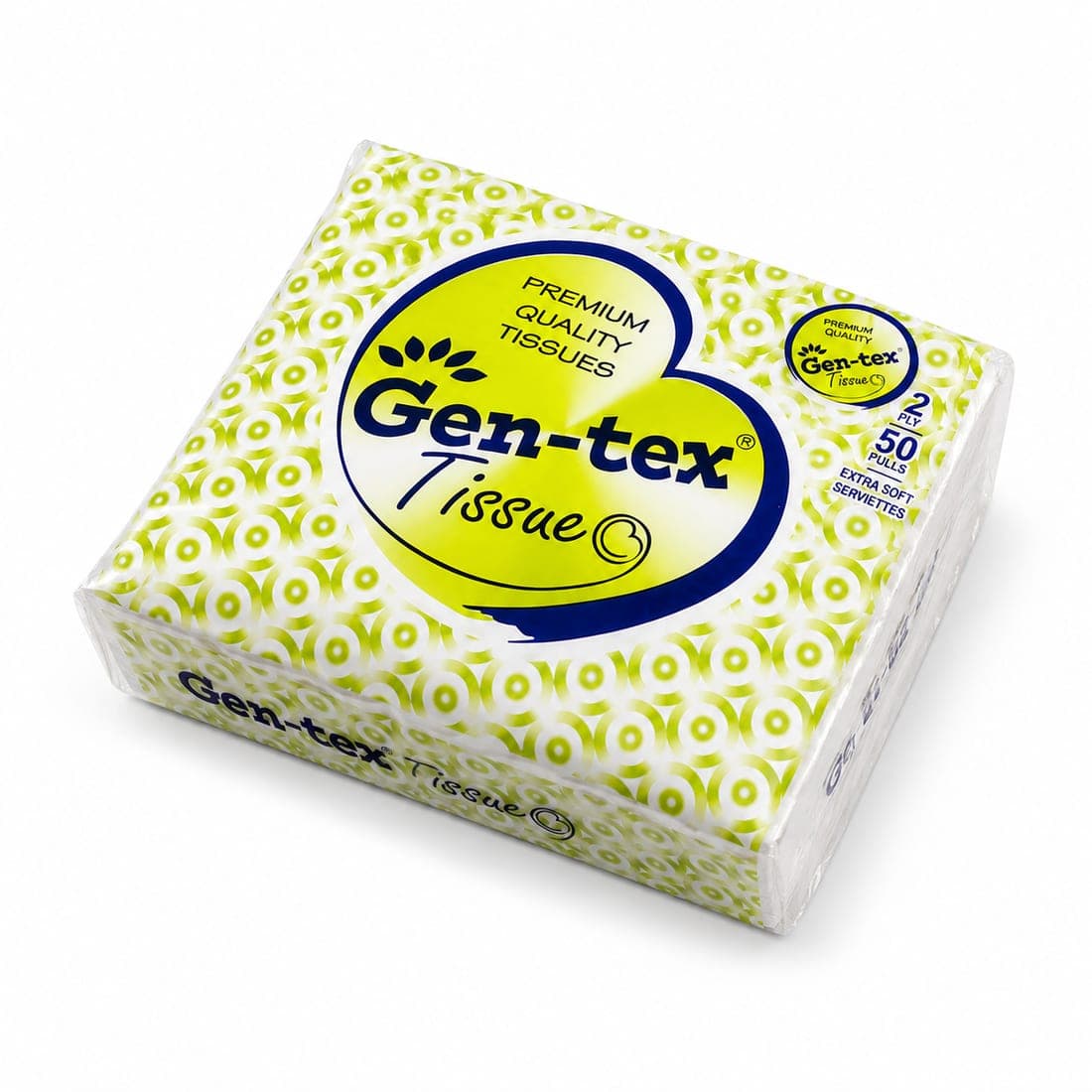
LDPE Gusset Pouch
Side-gusseted LDPE pouches with large fill volume and stand-on-shelf shape.
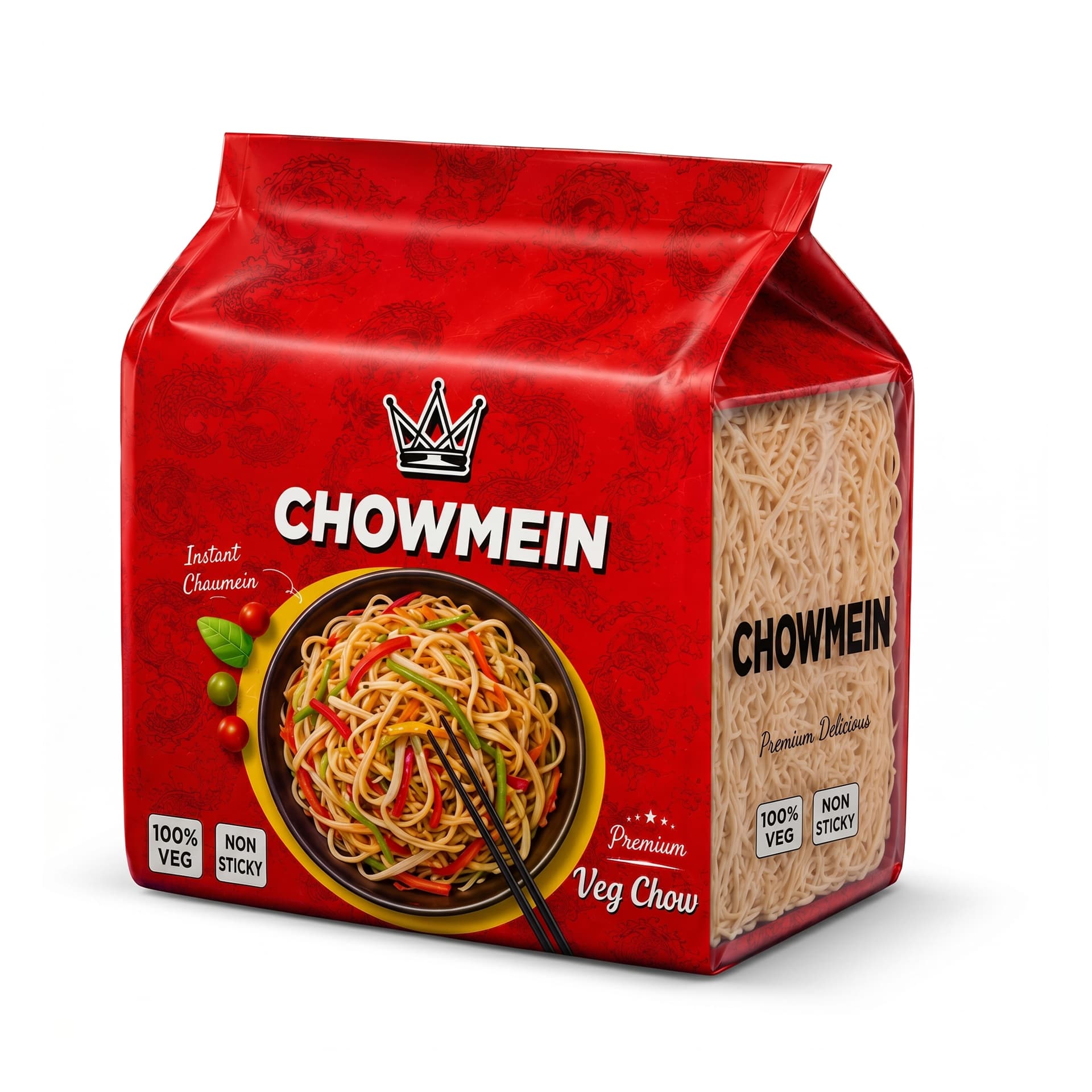
Center Seal Side Gusset Pouch
Center-seal pouches with side gussets — high fill volume that stands proud on shelf.
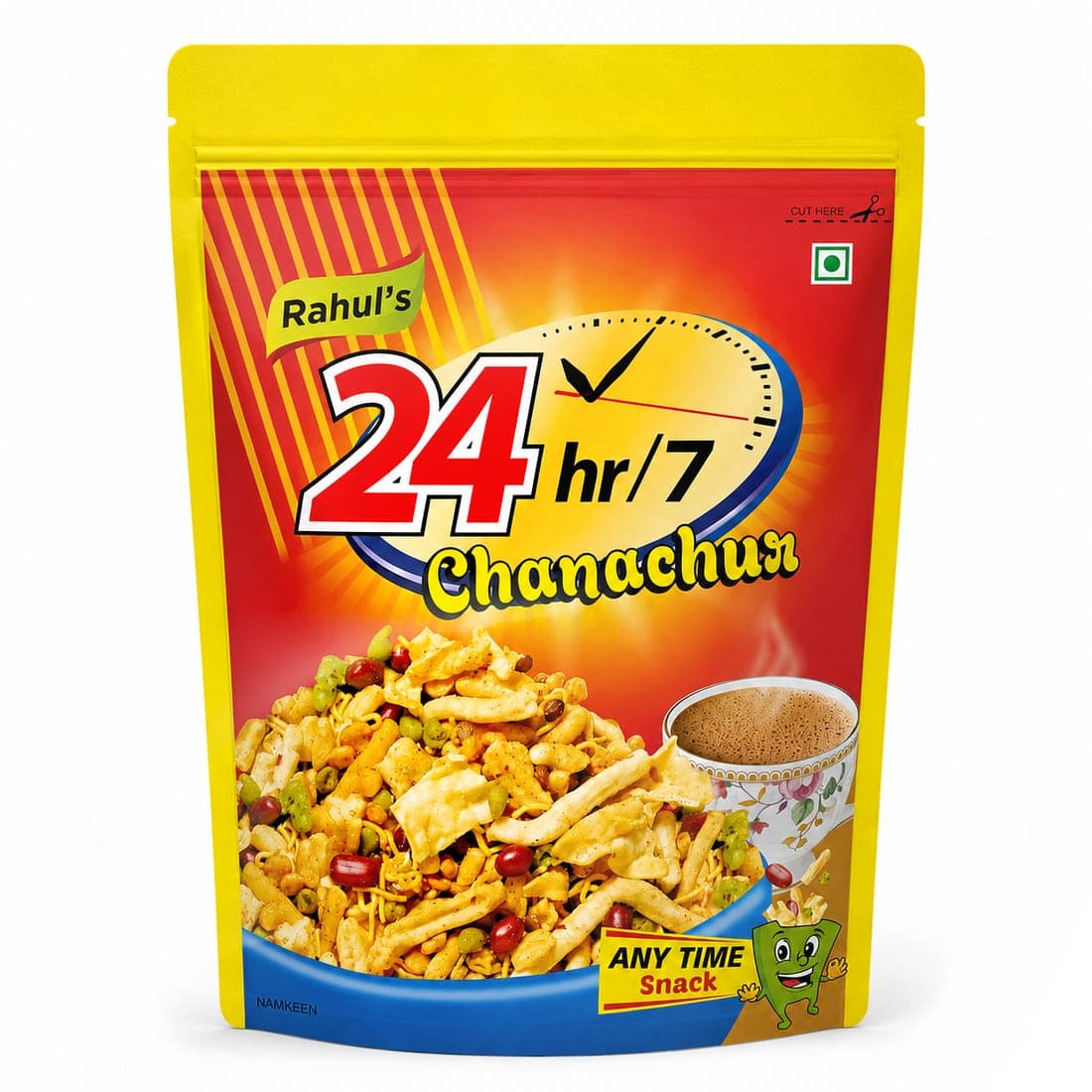
Registered Matt Pouch
Selective matt + gloss finish — matt only where you specify, glossy everywhere else.
Matt Pouch
Fully matt-finish pouches for a soft, premium, non-reflective look.
Free tool
Cost Calculator
Get a fast estimate for your custom packaging — cylinder cost, pieces-per-Kg in one place.
Ready to discuss your printed plastic pouch order?
Tell us about your product, target pack size, and design — we'll come back with a competitive quote.
FAQ — printed plastic pouches
What is a printed plastic pouch made of?+
A printed plastic pouch is a multi-layer laminated film — typically PET for the outer print substrate, MET PET or BOPP in the middle as a barrier, and LDPE on the inside as the heat-seal layer. The rotogravure ink sits sandwiched between the PET and the middle layer, which is why the print survives abrasion, condensation, and freezer handling. "Plastic pouch" is the everyday term; in the industry these are called flexible packaging laminates.
What is the MOQ for a custom printed plastic pouch?+
For laminated rolls and pre-made center-seal or three-side-seal pouches, MOQ is 300 kg of laminated film per design. For stand-up zipper pouches, MOQ is 500 kg per design. A typical 100 g pouch runs 7–10 g of laminate, so 300 kg covers roughly 30,000–42,000 pouches per SKU. The formal MOQ for your order is stated in our quotation.
How many colours can be printed on a plastic pouch?+
Up to 8 colours in a single rotogravure pass. Most branded SKUs use 4–6 colours: spot brand colour at the top, CMYK process colours for the product imagery, and white as the base layer on metallised substrates. Gradients, fine type, and registered matt / gloss finishes all sit inside the same 8-colour limit.
Can I supply my own artwork?+
Yes — send your artwork as a layered PDF or AI file with fonts outlined, spot colours called out, and bleed marked. We return a press-ready proof before cylinders are engraved. If you do not have artwork yet, we work with a panel of packaging designers who do.
What is the lead time on a first printed plastic pouch order?+
Typical first-run lead time is 20–30 working days from artwork sign-off — most of that is cylinder engraving. Repeat orders take 10–15 working days because the cylinders are ready with us. The formal lead time is stated in the quotation we issue.